
I have spent over a decade working on hotel interior design and hospitality projects, walking into spaces that had every reason to succeed — generous budgets, stunning locations, well-meaning owners — and still felt wrong. I remember visiting a homestay in Coorg that looked fantastic in photographs.Everything was beautifully styled, but once you spent a few hours there, it felt like it could have been anywhere. I saw something similar in Jaipur, where a hotel had invested heavily in a rooftop pool, yet most guests preferred staying in their rooms rather than spending time there.
Early in my career, I made a few of these decisions myself. Looking back, those projects taught me more than the successful ones. Over time, certain patterns became impossible to ignore.
One thing worth paying attention to is what is happening in the travel market itself. India recorded over 210 crore domestic tourist trips in 2025–26. Geopolitical tensions and shifting visa landscapes have turned the Indian traveller inward — toward Kerala, the Northeast, Kutch, Spiti, Hampi. These are no longer just weekend destinations. They are where urban Indians now spend real money on real experiences. The hospitality market is projected at $34.44 billion in 2026, growing at 12% CAGR through 2030.
The opportunity is enormous. But so is the competition. Generic hotel interior design will not survive it.
01 — Hotel Interior Design for Identity, Not Just Aesthetics
The most common mistake I see in Indian small homestay design and hotel interior design projects right now is what I call Pinterest Plagiarism. A common example is when someone sees a Scandinavian cabin on Pinterest and tries to recreate the same idea in Uttarakhand without considering the local context.. It looks beautiful in photographs. Guests find it charming the first time.
But they do not come back. Because there is nothing to return to — nothing that belongs to that specific land, that story, that latitude and longitude.
I experienced a homestay near Pondicherry where the owner originally wanted a Mediterranean look but got it designed something rooted entirely in the Franco-Tamil identity of the region instead — Athangudi tiles, lime-washed walls with indigo borders, cane and teak sourced from Karaikudi artisans, a courtyard that cooled the space the way old Tamil homes always have.
Bookings tripled in six months.
Not because it was prettier. Because it felt authentic to the place they were visiting.
Locally sourced materials — Jaisalmer stone, handmade cane weaving, Rajasthani blue pottery, Kerala laterite — are the dominant hospitality design language of 2026.
This is not trend-chasing. It is the market telling you what it values. Working with local artisans often adds details and stories that are difficult to achieve through mass-produced materials alone. Guests read a space the way they read a book — make sure yours has something worth saying.
Locality is the new luxury.
02 — Design for the Senses, Not Just the Camera
I have sat in countless briefings where the ask is essentially: I want my property to go viral on Instagram. I understand that impulse. A well-lit canopy bed against a stone wall can drive extraordinary traffic.
But a photograph gets you the first booking.
Everything else — the scent of the air, the texture of the sheets, the quality of light at 7am, the sound of water — gets you the review, the return visit, and the word-of-mouth no advertising budget can buy.
Biophilic design is the single largest movement reshaping Indian hospitality interior design and hotel room interior design in 2026. Not a rubber plant in the corner — genuine integration of nature into the built environment. Features such as naturally ventilated courtyards, shaded outdoor spaces, terracotta flooring, locally woven textiles, and strong connections to the outdoors tend to leave a lasting impression on guests.
Three things I insist on in every project:
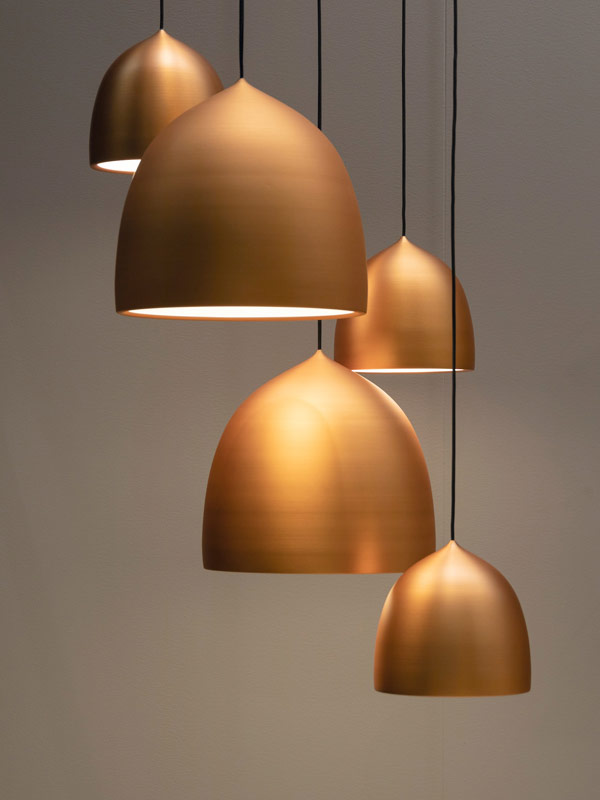
- Lighting. Overhead fluorescent lighting — still common in mid-segment Indian properties — kills the atmosphere instantly. Layer warm lamps at 2700K, dimmable pendants, diffused ambient light. Good lighting is organic marketing and one of the most overlooked elements of successful hotel room design.
- Sound. A teak deck overlooking the Western Ghats means nothing if guests can hear the generator. Acoustic planning through drapes, courtyard design, and dense landscaping is not optional — it is hospitality.
- Scent. Guests associate smell with memory more powerfully than any other sense. A signature blend of cardamom and cedarwood, local incense, fresh jasmine at check-in — these create emotional anchors that bring people back. It sounds indulgent. It is actually your best retention strategy.
03 — Design for the 2026 Indian Guest
Traveller expectations have changed significantly over the last few years. Many guests today are looking for experiences that feel more spacious, restorative, and different from their everyday routines. They are younger, more aesthetically literate, and choosing experiences over check-ins. And they are, more often than not, still partially working when they travel.
I now insist on a proper third space in every small hotel interior design project I design — not a desk shoved under a window, but a genuinely considered nook: an ergonomic chair that does not look clinical, warm task lighting, reliable Wi-Fi that is not buried in a cupboard, and a coffee station nearby. Guests who can work comfortably extend their stays. Extended stays are the single best thing that can happen to your revenue per available room.
Beyond the workstation, this guest wants a narrative. A story to take home, a craft to discover, a meal that could not have happened anywhere else. Design that reflects local culture — not through wall murals of dancing women, but through material choices, spatial language, and curated detail — is what converts a one-time visitor into an evangelist.
One more thing worth saying: Vastu Shastra, applied thoughtfully, is not superstition — it is design intelligence. Its principles of orientation, natural light, and spatial flow genuinely improve how a space feels. More Indian guests across age groups are asking about it. Understanding it makes you a better designer and a more trusted one.
The Bottom Line
India’s travel and tourism sector contributed $178 billion to GDP in 2025 — the 5th largest tourism economy in the world. The domestic traveller is here, they are spending, and they are increasingly loyal to properties that earn that loyalty through every design decision.
Design with identity. Design for the senses. Design every interior for hotel guests who walks through your door, kicks off their shoes, and decides — in the first thirty seconds — whether this is a place worth returning to.
That decision is made before they check the Wi-Fi speed or open the menu. It is made by the quality of light, the smell of the air, the story told by the walls.
That is what design is for.
A practising interior designer specialising in hotel interior design and hospitality spaces across India, working with property owners seeking guidance from one of the best hospitality design firms in India.
FAQs
What type of interior design is used in hotels?
Hotel interior design combines functionality, aesthetics, branding, comfort, and guest experience to create memorable and efficient hospitality spaces.
What is the golden rule of interior design?
The golden rule of interior design is to balance functionality, comfort, and aesthetics while ensuring the space serves its intended purpose.
What are the 5 stars of interior design?
The five key elements often associated with premium interior design are space planning, lighting, materials, color palette, and attention to detail.
Why is hotel room interior design important?
Effective hotel room interior design enhances guest comfort, improves reviews, strengthens brand identity, and encourages repeat bookings.
What is the difference between hospitality interior design and hotel interior design?
Hospitality interior design covers hotels, resorts, restaurants, and homestays, while hotel interior design specifically focuses on guest accommodation spaces.
How does biophilic hotel design improve guest experience?
Biophilic hotel design incorporates natural light, greenery, natural materials, and outdoor connections to create relaxing and memorable guest experiences.