
Walk into any newly fitted-out office interior design project in Delhi-NCR today and you’ll see the same five-star vocabulary: book-matched veneer reception walls, fluted glass partitions, brass inlay detailing, marble-look counters. It photographs beautifully. Clients sign off in the showroom, under controlled lighting, running their hands over a sample the size of a dinner plate.
Eighteen months later, the edges have delaminated. The “marble” has yellowed. The brass has gone patchy in places no one anticipated. And the client is asking why something that cost so much looks tired so fast.
This isn’t bad luck. It’s a predictable failure pattern — and as someone who has sat across the table from clients explaining why a material choice didn’t survive contact with real life on a commercial interior design project, I’ve started to see it as a system, not an accident.
The Premium Illusion Is a Sampling Problem in Office Interior Design
Here’s the uncomfortable truth: almost every material that “fails early” passed every visual test it was given. The sample looked rich. The texture felt substantial. The finish caught light beautifully. What it never had to do, in that showroom moment, was survive 14 hours of foot traffic, a humid Delhi July, a housekeeping staff using the wrong cleaning agent, or five years of someone’s elbow resting on the same six inches of surface.
All furniture, regardless of zone, should be specified as commercial-grade to ensure durability and consistent performance — and yet, in practice, residential-grade materials get specified into commercial office interior design and hospitality spaces constantly, simply because they look the part in a render.
The gap between “looks premium” and “performs premium” is where two-year failures live.
Three Decisions That Quietly Sabotage Longevity
Veneer over engineered substrates without edge protection.
Natural wood veneer is genuinely premium — when it’s detailed correctly. The failure isn’t the veneer; it’s skipping solid lipping on edges that take daily impact (door frames, counter edges, reception desks). Without it, moisture creeps in at the seam first, and that’s exactly where everyone’s eyes land first too.
Engineered stone and “marble-look” surfaces installed without thermal and UV consideration.
A counter that looks identical to marble in a catalogue can behave completely differently under direct sun through a glass façade — a near-universal condition in India’s luxury hospitality sector, where guests increasingly judge spaces on whether materials feel specific and intentional rather than generic and catalogue-sourced. Resin-bound composites can yellow or develop micro-cracking under heat cycling that natural stone simply shrugs off. The visual promise and the physical reality are two different products wearing the same finish.
Decorative metal finishes (brushed brass, matte black) without a protective coating spec.
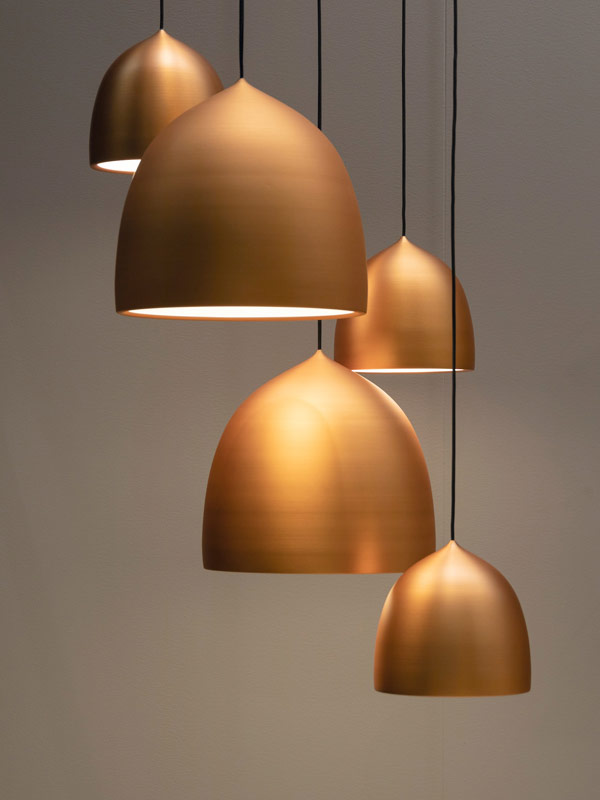
This is the most common one I see in office interior design and corporate interior design projects right now. Reception areas and common spaces are increasingly used as brand statements in Indian corporates, and brushed brass is the current favourite for exactly that reason. But brass that isn’t lacquered or PVD-coated will oxidise unevenly wherever hands touch it most — door pulls, railing tops, desk edges. The brand statement becomes a maintenance liability within a year.
Why This Keeps Happening: Three Forces, Not One Mistake
It’s tempting to blame a careless contractor or a client chasing a budget. The real picture is more structural:
- Sourcing happens too late.
Projects that get material selection right bring fit-out partners into the process early, during material selection itself, rather than waiting until tender stage — by which point specifications have already hardened around price, not performance. This is where a structured interior design process becomes critical. - Control and Speed is rewarded over testing.
Prefabricated components can accelerate project timelines by up to 30%, and that pressure pushes designers toward materials with the fastest sample-to-sign-off cycle, not the longest performance track record.agency. - The market is genuinely booming, which hides the cracks.
With India crossing 70 million sq ft of office leasing in 2025 and office fit out momentum building across multiple quarters, there’s more volume moving through less scrutiny. Nobody notices a 5% early-failure rate until the second project from the same client.
The Logic of Specifying for Time, Not Just for Day One
A useful mental model I give every client: ask what the material is doing on day 700, not day one. Day one is showroom lighting and admiring hands. Day 700 is cleaning staff, sun exposure, footfall, and humidity — the actual operating conditions of the space.
This reframes the conversation from “what looks expensive” to “what behaves expensively over time” — and those are not the same shortlist. A well-detailed laminate with solid edge-banding can outperform a poorly specified natural material. A locally sourced stone, finished correctly for the climate, often outlasts an imported alternative chosen purely for prestige.
The shift toward materials that feel specific to a location and craft, rather than interchangeable luxury, isn’t just an aesthetic trend — it’s also a performance one, because locally appropriate materials are usually better matched to local operating conditions in the first place. This principle is becoming increasingly important in modern office interior projects and successful interior design for office environments.
What This Means for Anyone Commissioning a Space
If you’re a property owner, a hospitality operator, or a founder fitting out your next office, the questions worth asking your designer aren’t about finish samples. They’re about specification sheets: What’s the coating on that brass? What’s the substrate under that veneer? Has this stone been tested for the orientation it’ll actually sit in?
Premium that doesn’t last isn’t premium — it’s an expensive way to find out what a material couldn’t do. Real premium is invisible maintenance, not visible price.
Whether you’re planning office interior design, searching for office interior designers in Delhi, looking for interior designers for office, or consulting an interior company in Noida, always ask about the material specifications, the interior design project management approach, and how interior design and project management are handled before approving the final design. This is what separates great office interior design ideas from expensive mistakes.
If you’re evaluating a commercial interior design fit-out and want a second pair of eyes on the spec sheet before it’s locked in — that’s a conversation worth having before the contractor breaks ground, not after.
FAQs
What are the best materials for office interior design?
The best office interior design materials combine durability, low maintenance, and long-term performance rather than just premium appearance.
Why do premium-looking interior materials fail so quickly?
Many premium-looking materials fail because they are selected based on appearance instead of durability, climate suitability, and proper installation specifications.
How do you choose durable materials for commercial interior design?
Choose commercial-grade materials, check technical specifications, consider daily usage, and ensure they are suitable for the project’s environment and maintenance requirements.
What is the difference between residential and commercial office interior design materials?
Commercial office interior design materials are designed to withstand higher foot traffic, frequent cleaning, and long-term wear compared to residential materials.
Why is material selection important in office interior design?
Proper material selection improves the lifespan of an office interior design project, reduces maintenance costs, and helps maintain a premium appearance for years.